Doing Ecology Otherwise: Pathways for Art and Transdisciplinary Collaboration in Ecosocial Change
Coming soon: an exciting International Conference hosted by the Centre for Art and Ecology, Goldsmiths, University of London. Full programme available HERE.
11-12 September 2026
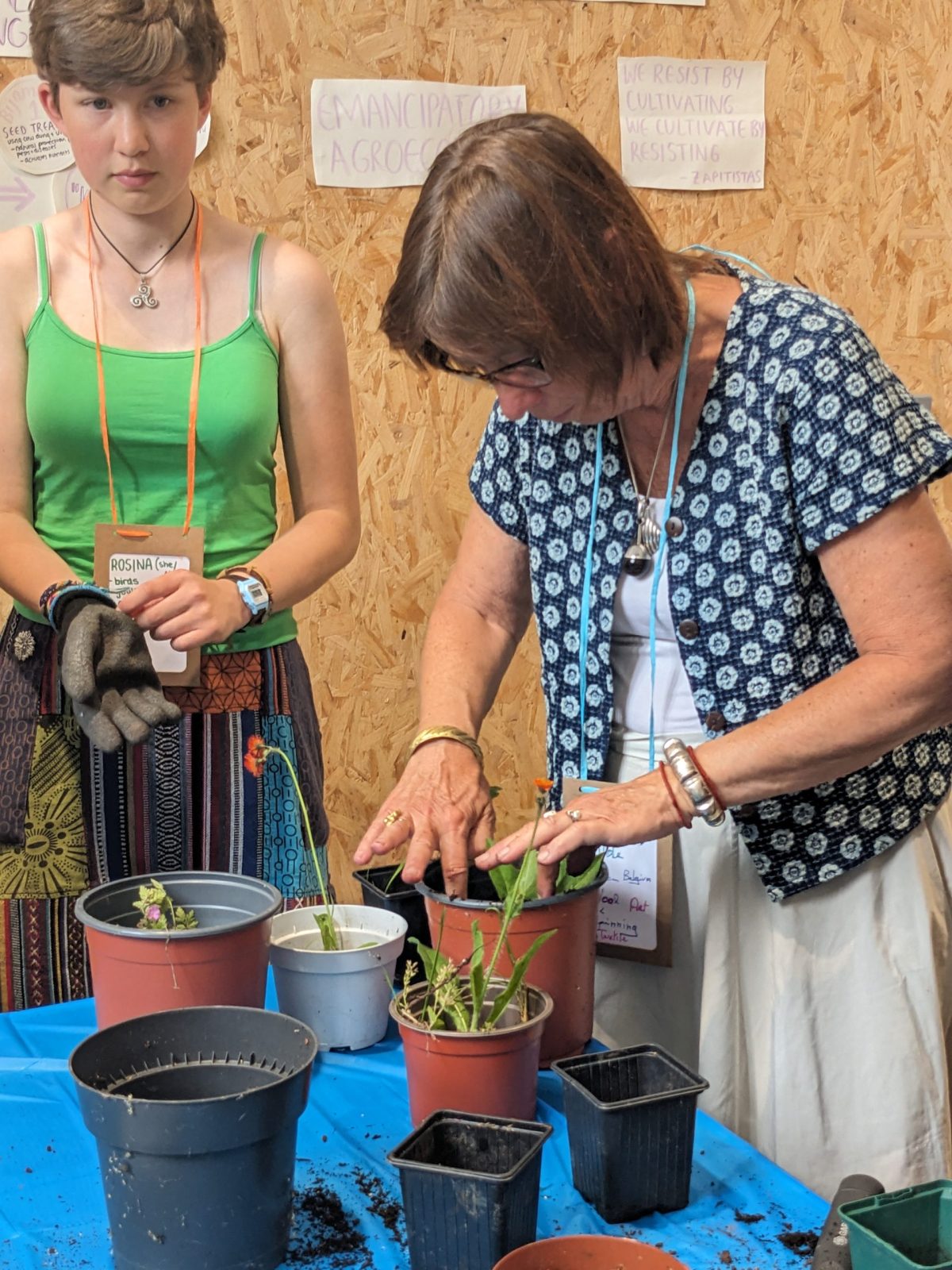
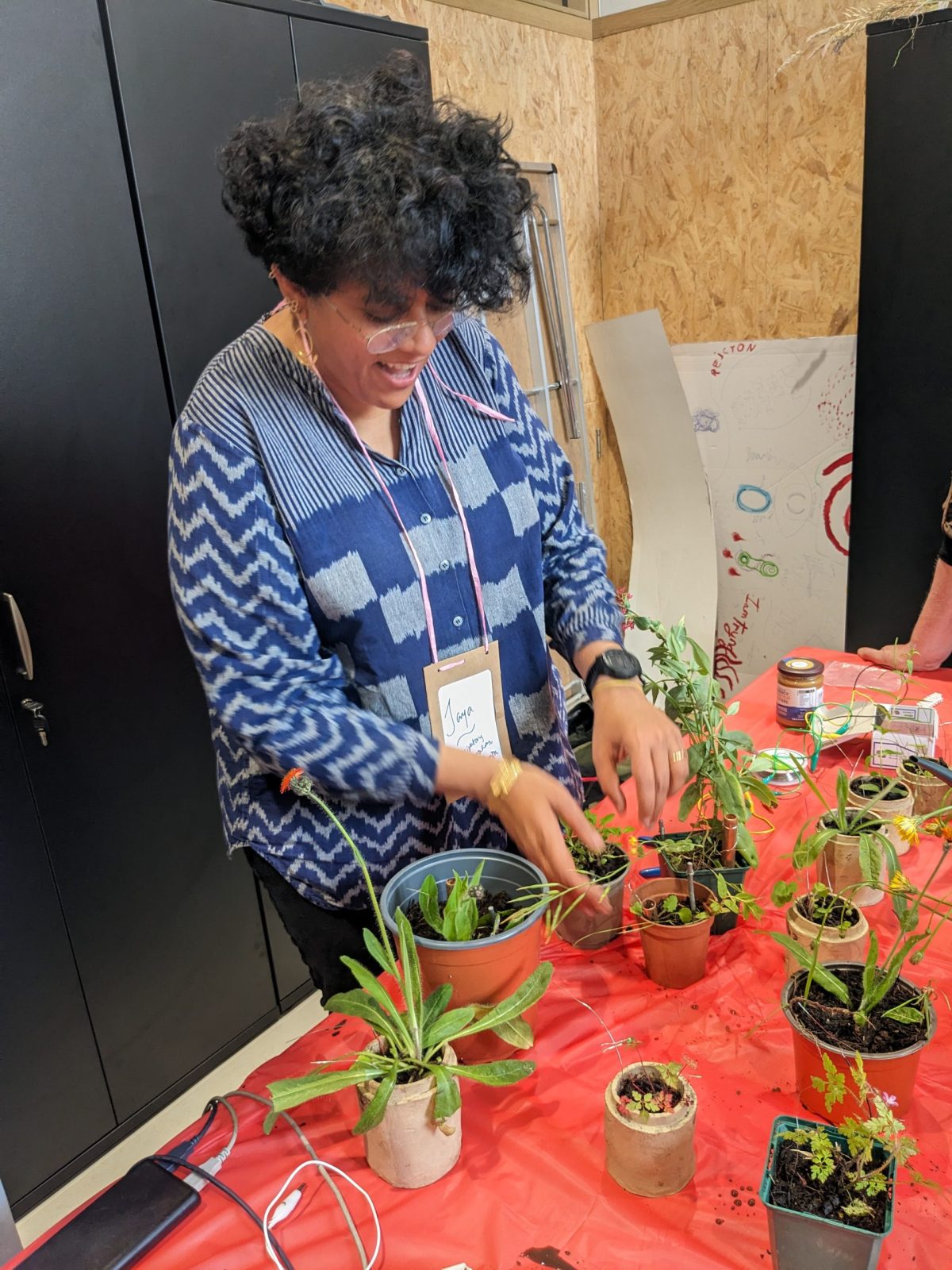
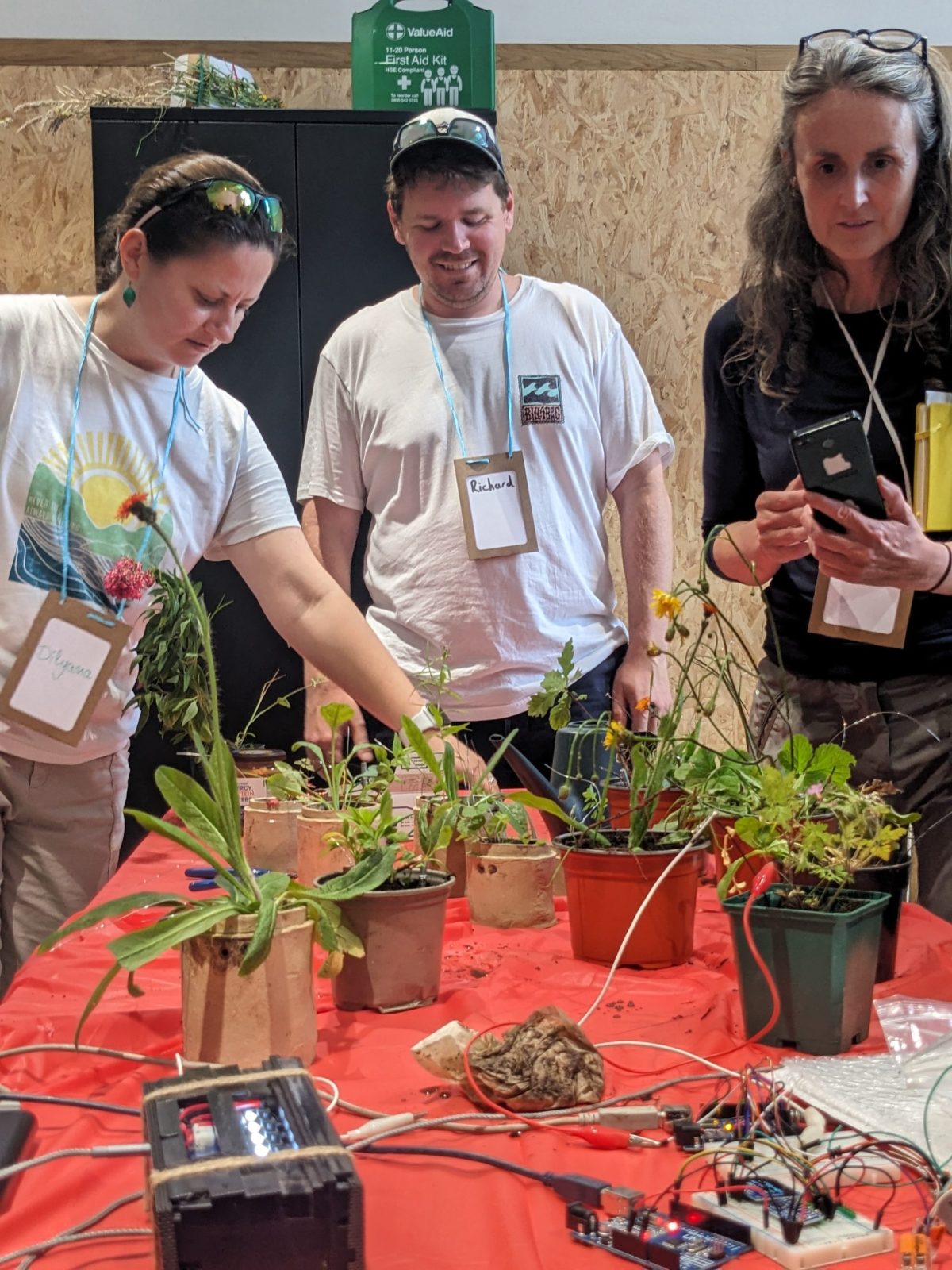
Doing Ecology Otherwise addresses the imaginative, sensory, material and embodied capacities of art to address urgent ecological challenges. Drawing on essential insights from Natasha Myers and Lola Olufemi on the potentiality of imagining and acting ‘otherwise’, the conference explores how art can hold space for new understandings, practices, relations and structures of feeling that may be marginalized in mainstream scientific and environmental action.
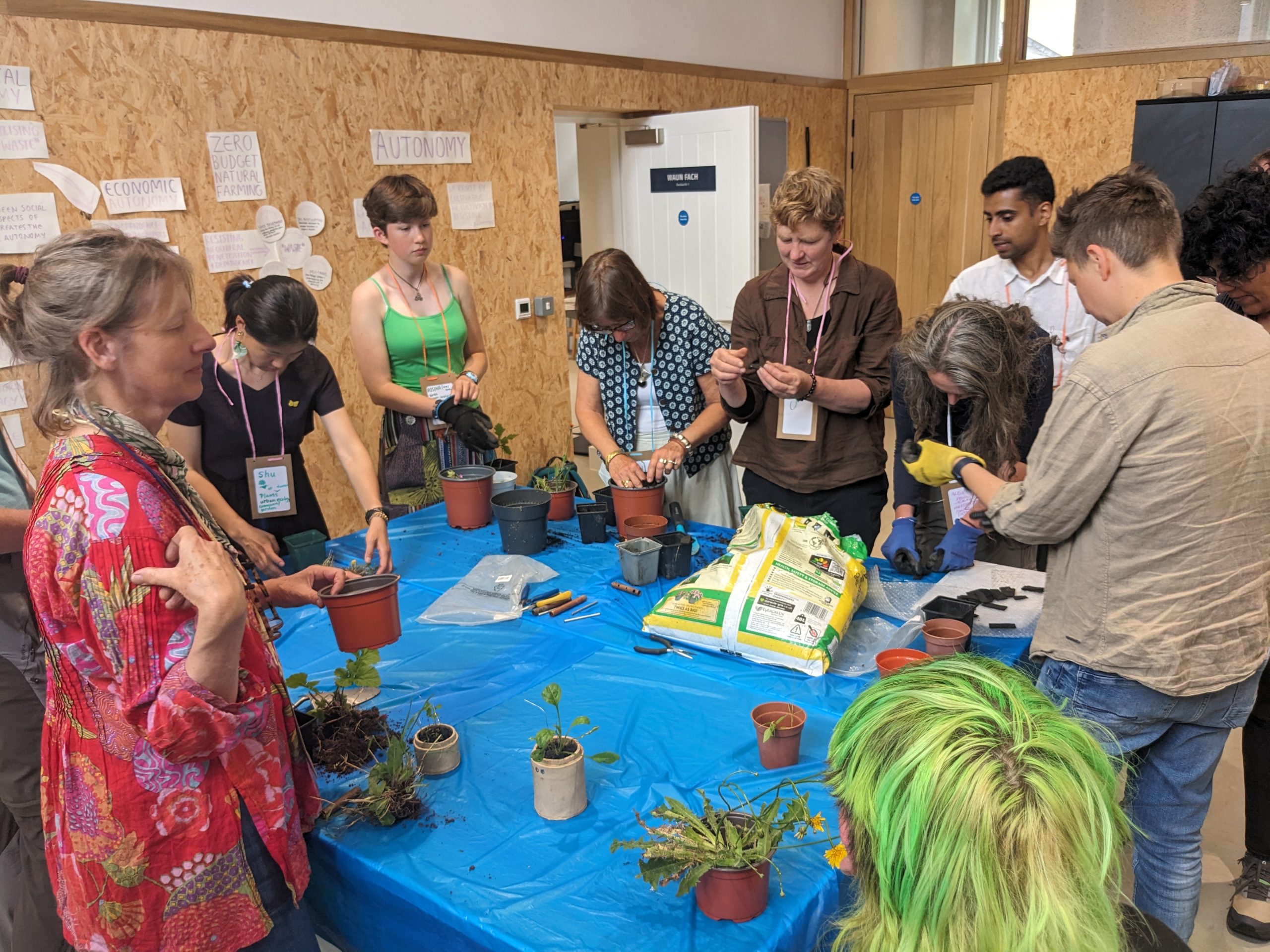
How do contemporary art and artistic research function as what Matthew Fuller calls a ‘meta-discipline’ for transdisciplinary collaboration? What kinds of rituals, practices and inquiries might be needed to understand and process long histories and memories of environmental and social harm? How can artists and their collaborators navigate the overlapping temporalities of ecological grief? How can artistic research build more-than-human networks of solidarity and connection? How can ecology, policymaking and archiving (disciplines, institutions and practices that emerged in the context of imperialism), be re-oriented through creative collaboration to struggles for eco-social justice? What decolonial, feminist and queer methodologies are emerging through art-led transdisciplinary collaboration? From fungi forays, material experimentation and singing composts to embodied memory-work, agropoetics and queer bestiaries, the conference brings together artists, curators, ecologists, soil scientists, researchers and policymakers in transdisciplinary dialogue to engage in the vital work of doing ecology otherwise.
Organized and hosted by the Centre for Art and Ecology at Goldsmiths, University of London, in conversation with the British Ecological Society (UK), Celadon Center for Arts and Ecologies (Cyprus), Contemporary Art Archipelago (Finland) and Kafkárna Center for Arts and Ecology UMPRUM (Czech Republic), the conference is a gathering of academic and creative presentations, workshops and performances to present artistic research unfolding across multiple sites across the world.
Contributors include:
Adriana Arroyo, Louise Ashcroft, Claire Baily, Paola Bascón, Amálie Bulandrová, Ama Josephine Budge, Frances Cannon, Youngsook Choi, Anna Collin, Louie Destouches, Taru Elfving, Matthew Fuller, Carle Gent, Paul Granjon, Althea Greenan, Gabriel Koureas, Jack Hannam, Esther Lu, Becky Lyon, Elspeth Mitchell, Harun Morrison, Elena Parpa, Lotta Petronella, Eva Koťátková, Ros Gray, Sophie Seita, Chooc Ly Tan, Jol Thoms, Melissa Thompson, Evanthia Tselika, Becca Voelcker, Kateřina Vídenová, Lenka Vráblíková, Rain Wu, Rehana Zaman, Wood Roberdeau.